Alkyl Polyglucoside – The Best Eco-Friendly Surfactant for Natural Cleaning
2026-03-07
Are you seeking a truly sustainable solution for your cleaning needs? Look no further than Alkyl Polyglucoside (APG), widely recognized as the best eco-friendly surfactant available today. At POLYKEM, we're passionate about harnessing the power of nature to create effective, biodegradable cleaning products. In this blog, we'll explore why APG stands out in the green cleaning revolution and how it can transform your approach to household and industrial cleaning. Get ready to discover the science behind this remarkable ingredient and its real-world applications!
Discover Alkyl Polyglucoside (APG): Your Natural Cleaning Champion
Alkyl Polyglucoside (APG) is revolutionizing the world of cleaning as a gentle yet powerful surfactant derived from renewable resources like corn or coconut. Its non-toxic and biodegradable properties make it an eco-friendly alternative to harsh chemicals, leaving surfaces sparkling without residue or environmental harm.
What sets APG apart is its versatility across various applications, from household cleaners to industrial formulations. It effectively cuts through grease and grime while remaining safe for sensitive skin, making it a top choice for families and professionals seeking a natural yet effective solution.
As consumer demand for sustainable products grows, APG stands out as a champion by combining cleaning efficacy with a commitment to the planet. Embracing this innovation can transform your cleaning routine into a healthier, greener experience.
How APG Surfactants Power Eco-Conscious Cleaning Solutions
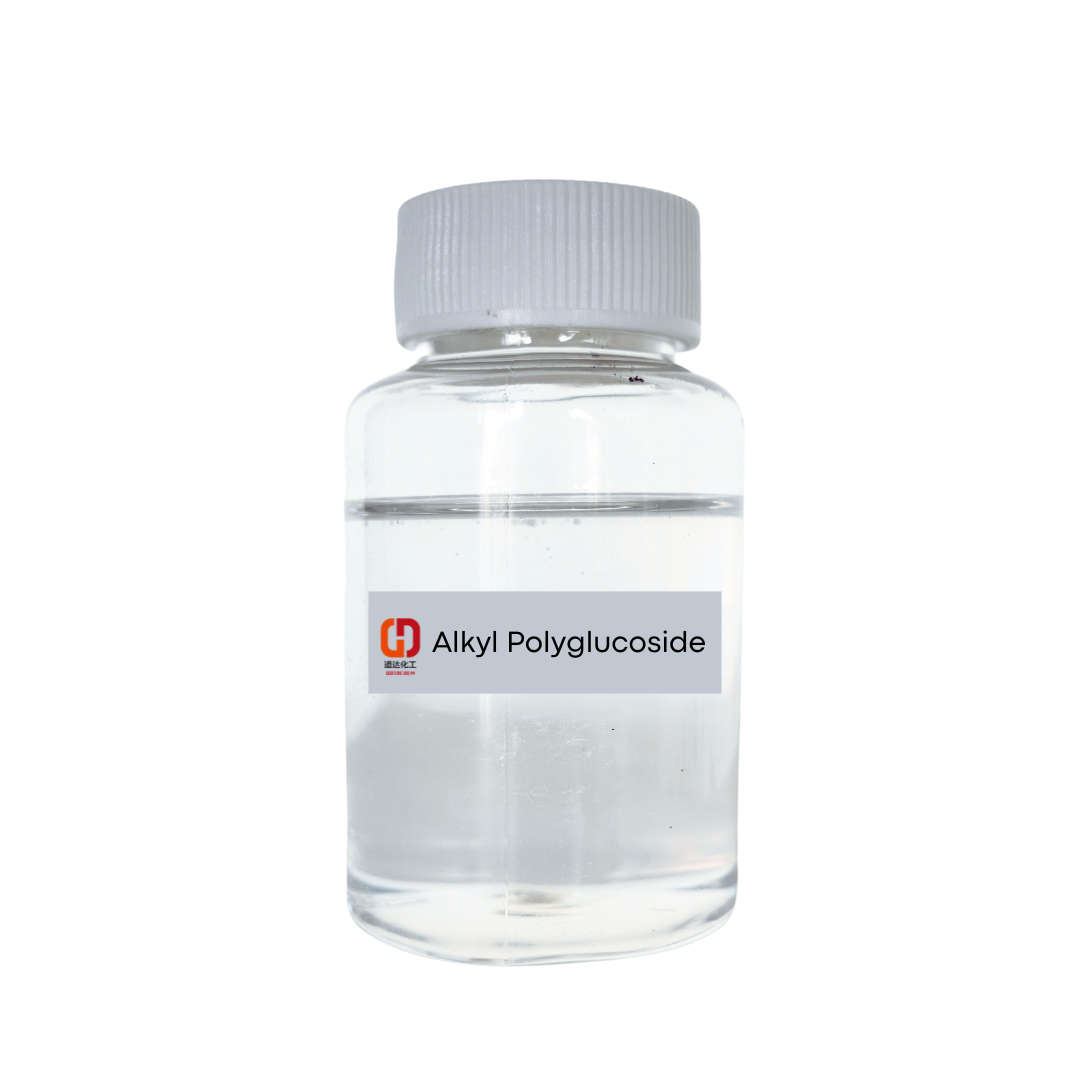
Ever wondered how that all-natural cleaner actually cuts through grease without harsh chemicals? APG surfactants are the unsung heroes behind many eco-conscious cleaning solutions. Derived from renewable sources like coconut or palm kernel oil and glucose, they offer a powerful cleaning action while being biodegradable and gentle on the environment. Unlike traditional surfactants that can linger in waterways, APGs break down quickly, reducing long-term ecological impact and making them a favorite for green formulations.
What sets APG surfactants apart is their versatility—they work effectively in both hard and soft water, a common challenge in natural cleaning products. This means you can rely on them for everything from kitchen degreasers to laundry detergents without compromising on performance. Plus, they often have a lower toxicity profile, making them safer for households with kids, pets, or sensitive skin, all while delivering that satisfying clean you expect.
For manufacturers aiming to stand out in a crowded market, APGs provide a dual benefit: they appeal to eco-aware consumers seeking transparency and sustainability, while offering technical advantages like good foam control and compatibility with other green ingredients. It's this blend of environmental and practical perks that makes APG surfactants a smart, forward-thinking choice for cleaning solutions that truly power a cleaner planet.
Biodegradability and Safety: Why APG Tops Green Cleaning Charts
When evaluating cleaning products, consumers increasingly prioritize environmental impact and safety alongside effectiveness. Alkyl Polyglycosides (APG) stand out due to their natural origin, derived from renewable resources like coconut oil and corn starch. This plant-based foundation ensures that APG breaks down rapidly in the environment, often within days, minimizing long-term pollution and harm to aquatic ecosystems.
Safety is a key advantage of APG, as it is non-toxic, hypoallergenic, and free from harsh chemicals like phosphates or sulfates. Unlike many synthetic surfactants, APG does not irritate skin or cause respiratory issues, making it ideal for households with children, pets, or sensitive individuals. Its gentle nature does not compromise cleaning power, effectively removing dirt and grease without leaving harmful residues.
In green cleaning charts, APG consistently ranks high because it combines biodegradability with high performance, meeting strict eco-certifications. By choosing APG-based products, consumers support sustainable practices and reduce their carbon footprint, offering a practical solution for everyday cleaning needs.
Versatile Applications of APG in Household and Industrial Cleaning
APG, or Alkyl Polyglucoside, is a surfactant born from renewable plant resources like corn and coconut oil, making it a star in both household and industrial cleaning realms. In homes, it's the gentle powerhouse behind dish soaps and laundry detergents, effectively cutting through grease without harsh chemicals, leaving surfaces and fabrics clean while being kind to skin and the environment. Its biodegradability and mild nature have made it a favorite for eco-conscious consumers seeking effective yet sustainable options.
Moving into industrial settings, APG's versatility truly shines. It tackles tough cleaning challenges in manufacturing, agriculture, and textiles, where its ability to emulsify oils and remove stubborn residues without causing corrosion or toxicity is invaluable. In food processing plants, for instance, it ensures equipment stays hygienic without chemical contamination risks, while in agriculture, it aids in pesticide formulations that are safer for crops and workers. This adaptability across diverse sectors highlights its role as a workhorse surfactant that bridges efficiency with environmental responsibility.
What sets APG apart in the crowded cleaning market is its unique combination of performance and sustainability, backed by its natural origin and low toxicity. Unlike many synthetic alternatives, it breaks down quickly in the environment, reducing long-term pollution, and its compatibility with other ingredients allows for innovative formulations that meet strict regulatory standards. This edge makes it a go-to choice for brands aiming to differentiate their products, offering a cleaning solution that not only works hard but also aligns with modern green initiatives, proving that effective cleaning doesn't have to come at the planet's expense.
APG vs. Traditional Surfactants: A Clear Winner for Sustainability
The debate over which surfactants truly lead the charge in eco-friendly cleaning has been heating up, and APG (alkyl polyglycosides) are emerging as a clear standout. Unlike traditional surfactants such as sulfates or alcohol ethoxylates, APGs are derived from renewable plant sources like corn or coconut, making their production process inherently more sustainable. This shift isn't just about being green; it's about creating products that break down quickly without leaving harmful residues in waterways, something that conventional options often struggle with. As consumers become more aware of environmental impacts, APGs offer a tangible solution that doesn't sacrifice performance, effectively redefining what it means to clean responsibly.
Embracing APG: Steps to Integrate It into Your Cleaning Routine
Incorporating APG into your cleaning routine can transform mundane tasks into efficient, eco-friendly habits. Start by identifying key areas in your home where APG can replace harsh chemicals, such as kitchens and bathrooms. Gradually introduce APG-based products, noting how they foam less but clean effectively, reducing environmental impact while maintaining shine.
Next, experiment with mixing your own APG solutions using online recipes, allowing for customization based on fabric types or surface sensitivities. This hands-on approach not only deepens your understanding of ingredient interactions but also offers a cost-effective alternative to store-bought options, making cleaning more personalized and sustainable.
Finally, establish a consistent schedule for APG use, integrating it into weekly cleaning rituals. Over time, this consistency builds familiarity, helping you appreciate APG's gentle nature on surfaces and skin, ultimately fostering a home environment that prioritizes both cleanliness and health without compromise.
FAQ
Alkyl Polyglucoside shines with its plant-based origin and rapid biodegradability, leaving minimal environmental footprint compared to synthetic surfactants.
It's crafted from natural fats like coconut or palm oil and glucose, embodying a green synthesis that avoids harsh chemicals.
Yes, it excels with a gentle yet powerful cleaning action, adept at lifting grease and grime while being mild on surfaces and skin.
Absolutely, its non-toxic and hypoallergenic nature makes it a top choice for households with allergies or sensitivities.
By reducing reliance on petroleum-based surfactants and enhancing biodegradability, it supports eco-friendly cycles and lessens water pollution.
You'll find it in dish liquids, all-purpose cleaners, laundry detergents, and personal care items aiming for natural formulas.
It might foam less or require careful blending with other ingredients for optimal performance in specific applications.
Conclusion
Alkyl Polyglucoside (APG) stands out as a natural cleaning champion, derived from renewable resources like corn and coconut oils. Its eco-conscious power stems from exceptional biodegradability and safety, making it a top choice for green cleaning charts by minimizing environmental impact and being non-toxic to aquatic life. This versatility shines in household and industrial applications, from gentle dish soaps to robust industrial degreasers, offering effective cleaning without harsh chemicals that harm ecosystems or health.
Compared to traditional surfactants, APG is clearly superior for sustainability, as it avoids petroleum-based ingredients and reduces long-term pollution. Integrating APG into cleaning routines is straightforward and impactful; by choosing products with this surfactant, individuals and businesses can embrace a more sustainable approach that supports a healthier planet. This shift represents a simple yet powerful step towards natural living, proving that effective cleaning doesn't have to compromise environmental values.
Contact Us
Contact Person: Levi
Email: [email protected]
Tel/WhatsApp: +86 532 84688720
Website: https://www.polykem-intl.com