China Polyethylene Glycol: Navigating Market Dynamics and Emerging Applications
2026-06-15
China’s polyethylene glycol (PEG) market is evolving rapidly, driven by shifting supply chains and breakthrough applications. From pharmaceuticals to advanced materials, PEG’s versatility is fueling new opportunities—and challenges. At the heart of this transformation, POLYKEM delivers tailored solutions that keep pace with China’s dynamic landscape. Discover what’s shaping the future of PEG and how emerging uses are redefining industry standards.
PEG in China: A Market in Transition
China's PEG landscape has undergone a dramatic evolution over the past decade, mirroring the broader shifts in the nation's private capital markets. Historically dominated by a handful of state-backed players and local currency funds, the market has gradually opened up to a more diverse set of participants, including international institutional investors and emerging domestic managers. This transition has been fueled by regulatory liberalization, the proliferation of innovative investment structures, and the rising sophistication of China's entrepreneurial ecosystem. As a result, the PEG market is no longer just a niche segment but a vital component of the country's alternative investment universe, attracting capital from around the globe.
Despite the rapid growth, the market is currently in a state of flux, shaped by tightening regulatory oversight, geopolitical tensions, and macroeconomic headwinds. Fund managers are adapting to a new normal where sector-focused strategies—such as healthcare, technology, and green energy—are gaining traction, while traditional blind-pool funds face increasing scrutiny. The shift toward more disciplined underwriting, longer holding periods, and value-creation plans reflects a maturing market that is learning from both its own excesses and global best practices. Investors are now prioritizing managers with deep operational expertise and proven track records, rather than simply chasing top-line growth.
Looking ahead, the PEG market in China is poised for further transformation as deal structures become more complex and exit pathways diversify. Secondary transactions, continuation funds, and partial exits are becoming more common, offering liquidity in an otherwise illiquid environment. Meanwhile, the rise of domestic RMB fundraising is reshaping the competitive dynamics, forcing international GPs to recalibrate their strategies. In this transitioning market, agility and local know-how will be key differentiators, determining which players can capitalize on the next wave of opportunities in China's ever-evolving private equity landscape.
Unexpected Industries Fueling Polyethylene Glycol Growth
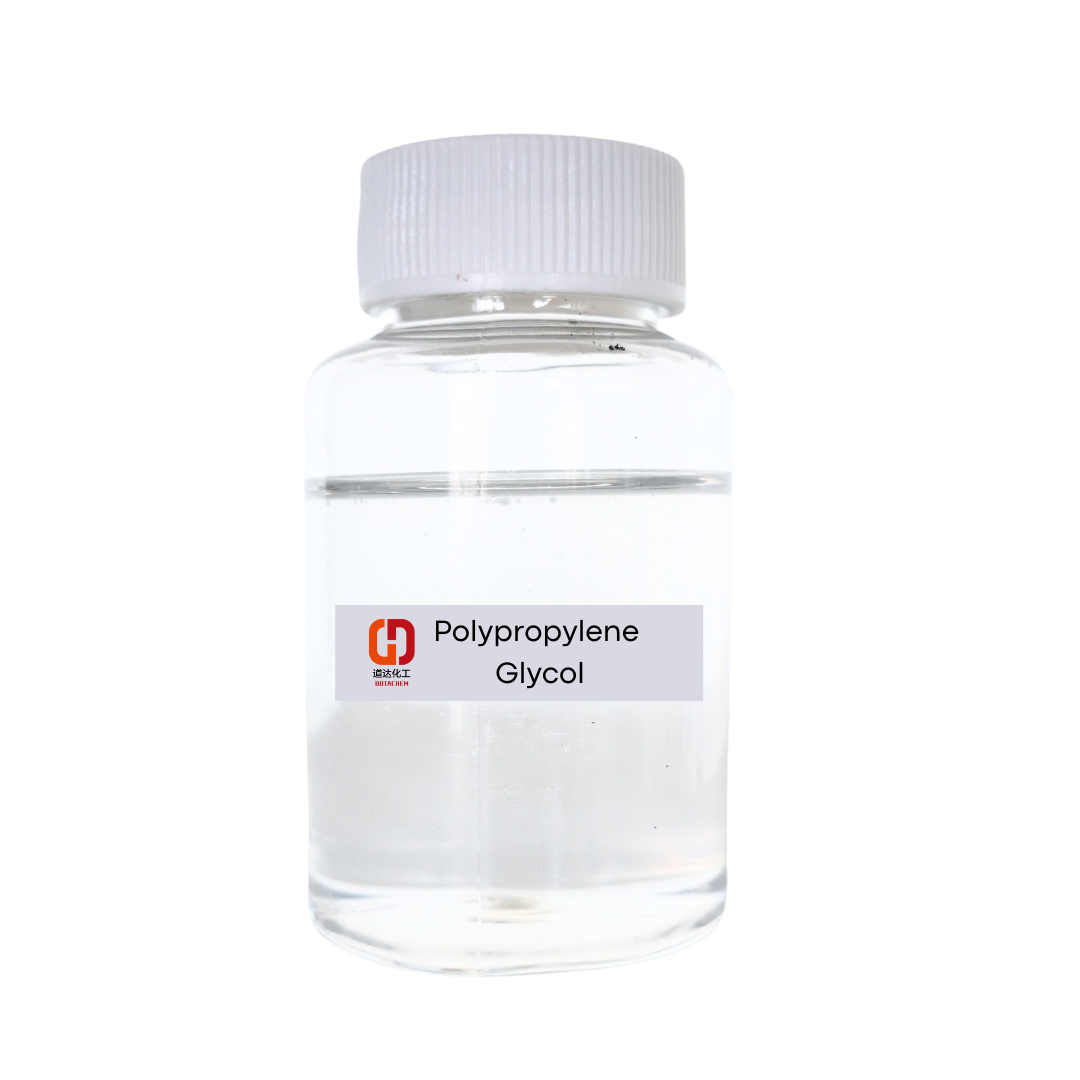
When most people think of polyethylene glycol, they picture pharmaceutical laxatives or the slick coating on skincare gels. But a handful of less obvious sectors are now quietly absorbing massive volumes of PEG. Commercial construction, for instance, has turned to polyethylene glycol as a phase-change material that regulates indoor temperatures by absorbing and releasing heat. Mixed into drywall or flooring compounds, it reduces reliance on HVAC systems and helps meet tightening energy codes—pushing PEG demand well beyond its medical roots.
Textile manufacturing offers another unlikely pocket of growth. Instead of relying solely on traditional softening agents, mills are infusing synthetic and natural fibers with low-molecular-weight PEG during the finishing stage. The result is a fabric that feels broken-in from day one and resists static buildup without compromising breathability. This subtle shift in processing has made polyethylene glycol an unsung hero in performance apparel, home linens, and even automotive headliners where durability and hand-feel are equally critical.
The Raw Material Puzzle: Supply and Pricing Volatility
Sourcing raw materials has grown into a complex guessing game. Geopolitical friction, extreme weather events, and sudden shifts in consumer demand often throw supply lines into chaos overnight. What was once a stable stream of essential inputs now feels like navigating a maze blindfolded, with disruptions hitting from every direction without warning.
The financial side is just as messy. Prices swing wildly, making cost forecasting a constant headache. A sudden tariff change or a single mine shutdown can double procurement expenses in weeks, eroding margins that took years to build. Industries reliant on metals like lithium or cobalt watch their bottom lines dance to a tune played by forces well beyond their control.
Adapting to this reality demands more than just faster reaction times. Some businesses are restructuring supplier networks across multiple regions, while others lock in long-term contracts with flexible terms. There's also a quiet push toward material recovery and reuse, turning what was once waste into a buffer against market madness. It's less about predicting the next shock and more about building operations that can bend without breaking.
How Regulations Are Rewriting the PEG Playbook
The private equity landscape is shifting under the weight of new regulatory frameworks, forcing firms to abandon some of their most reliable levers. Where once they could lean heavily on leverage to amplify returns, recent rules from the SEC and global watchdogs are tightening loan covenants and demanding greater transparency in fee structures. This isn't just a paperwork change—it's fundamentally altering how deals are sourced, structured, and ultimately sold. General partners now spend as much time navigating compliance checklists as they do hunting for targets, a reality that would have been unthinkable a decade ago.
Beyond the numbers, regulations are reshaping the very culture of private equity. Environmental, social, and governance (ESG) mandates, once treated as optional marketing gloss, are now hardwired into investment mandates. The EU's Sustainable Finance Disclosure Regulation (SFDR), for instance, requires funds to classify their portfolios by sustainability risk, pushing even reluctant firms to overhaul due diligence processes. The old playbook's focus on quick turnarounds and cost-cutting often clashes with these demands, forcing a slower, more deliberate approach to value creation that prioritizes long-term resilience over immediate gains.
The ripple effects extend to fundraising and investor relations. Limited partners, emboldened by regulatory pressures and their own fiduciary duties, are demanding granular reporting on everything from carbon footprints to diversity metrics. Institutional investors now wield these requirements as bargaining chips, often securing more favorable terms or walking away if a fund can't demonstrate robust compliance infrastructure. For private equity, adapting means more than tweaking the margins—it's about building an entirely new playbook where regulatory savvy is as critical as financial engineering.
Green Chemistry Pushes PEG toward Sustainable Pathways
Polyethylene glycol (PEG) has long been a workhorse in pharmaceuticals, cosmetics, and industrial processes, but its production has often relied on resource-intensive methods. Green chemistry is now redirecting this trajectory by embracing feedstocks derived from renewable biomass instead of fossil fuels. Novel catalytic systems enable the polymerization of ethylene oxide from bio-based ethanol, slashing the carbon footprint and aligning with circular economy principles. Researchers are also fine-tuning reaction conditions to minimize waste, using benign solvents or solvent-free processes that reduce hazardous byproducts. These shifts aren't just cosmetic tweaks; they represent a fundamental rethinking of how PEG can be made without compromising performance or scalability.
Beyond synthesis, green chemistry is unlocking more sustainable end-of-life scenarios for PEG-based products. Traditional PEG polymers, while water-soluble, can persist in aquatic environments and resist rapid biodegradation. By incorporating cleavable linkages or designing PEG derivatives with enhanced microbial digestibility, scientists are developing materials that break down into harmless metabolites under natural conditions. This cradle-to-grave perspective also includes recovering and reusing PEG from industrial waste streams, turning a potential pollutant into a resource. Such innovations underscore a deliberate move toward benign-by-design products that don't sacrifice the functional versatility PEG is prized for.
The drive toward sustainability is also reshaping how PEG is applied across industries. In drug delivery, green chemistry-inspired PEGylation techniques now employ milder conjugation chemistries that preserve drug potency while minimizing the use of toxic reagents. In agriculture, PEG-based hydrogels are being redesigned to biodegrade after serving their purpose as soil conditioners or controlled-release matrices. Even in consumer goods, brands are beginning to demand PEGs produced under greener certifications, pushing suppliers to adopt cleaner technologies. This quiet revolution shows that with the right molecular strategies, even established synthetic polymers like PEG can evolve to meet the demands of a more environmentally conscious world.
Charting the Next Decade: China’s PEG Potential
China’s PEG (price/earnings-to-growth) ratio has long drawn the attention of global investors seeking value in the world’s second-largest economy. Looking ahead to the next ten years, the country’s growth trajectory appears to be shifting from breakneck expansion to more sustainable, quality‑driven development. This transition could reshape the fundamentals behind PEG calculations, as earnings growth rates moderate but become more predictable and aligned with long‑term economic restructuring. Sectors tied to high‑end manufacturing, green energy, and digital infrastructure may offer compelling PEG profiles, reflecting not just top‑line momentum but also improvements in efficiency and innovation capacity.
Another layer worth exploring is the disconnect between perceived risk and actual fundamentals. Many Chinese equities trade at discounted multiples compared to developed‑market peers, partly due to geopolitical concerns and regulatory opacity. Yet, a closer look at corporate governance reforms and the government’s push for common prosperity reveals a deliberate attempt to balance growth with stability. This could gradually narrow the risk premium embedded in valuations, making current PEG ratios appear undemanding. The key will be identifying firms that can consistently convert revenue expansion into shareholder returns, a process that requires patience and deep local knowledge.
Finally, any discussion of China’s PEG potential must account for the evolving role of consumption and technology. As the middle class expands and domestic brands capture market share, companies with strong pricing power and scalable platforms may deliver above‑average earnings growth. Meanwhile, state‑backed initiatives in AI, semiconductors, and biotech could generate pockets of hyper‑growth reminiscent of earlier economic cycles. For investors, the challenge is to separate structural winners from cyclical plays, using PEG as a dynamic compass rather than a static screen. Over the next decade, those who understand China’s policy signals and demographic currents may find that today’s compressed multiples represent a significant long‑term opportunity.
FAQ
Demand is largely fueled by the expanding pharmaceutical and personal care sectors, where PEG serves as a critical excipient and humectant. The rapid growth of China's biologics and generic drug manufacturing has intensified the need for high-purity grades. Additionally, industrial applications like water-based lubricants and construction chemicals are contributing, though not as visibly.
Producers are investing in cleaner synthesis methods and rigorous quality control to meet stricter pharmacopoeia standards and environmental regulations. Many are upgrading facilities to obtain certifications like ISO and GMP, enabling them to compete both domestically and for export. There's a notable shift toward automated processes to reduce batch-to-batch variability.
PEGylation of therapeutic proteins and peptides is a standout, improving drug stability and half-life. Long-acting injectables using PEG hydrogels are also moving from research to commercialization. In the realm of targeted drug delivery, PEGylated liposomes and nanoparticles are becoming more common, spurred by oncology and rare disease treatments.
Chinese PEG prices are generally more competitive due to lower labor and raw material costs, though fluctuations in ethylene oxide—a key feedstock—create volatility. Export-focused grades often see tighter margins, while specialty PEGs for high-end applications can command premiums. Trade tensions and logistics disruptions occasionally narrow the gap between domestic and international pricing.
Surprisingly, the textile and ceramics industries are using more PEG as a sizing agent and plasticizer, respectively. The 3D printing filament market is another quiet driver, with PEG being used to tune material properties. Even agriculture, through seed coatings and controlled-release fertilizers, is emerging as a niche but growing segment.
Oversupply of low-molecular-weight PEG has squeezed profits, forcing many to shift toward higher-value products. Stricter environmental inspections have raised operational costs, particularly for smaller players. Meanwhile, customer demands for custom molecular weights and ultra-low impurity levels require continuous R&D investment, straining some companies' budgets.
There's increasing pressure to adopt bio-based ethylene oxide and implement circular economy practices. Some firms are exploring solvent-free synthesis routes and recycling process water. Carbon footprint tracking is becoming a differentiator, especially for multinational clients who evaluate suppliers based on environmental metrics.
Innovation is pivotal—advanced catalysts and continuous flow reactors are enabling the production of PEG with narrower molecular weight distributions. Breakthroughs in purification have led to ultra-high-purity grades that meet injectable-grade requirements. These technical strides help Chinese manufacturers compete not just on cost but also on quality in regulated markets.
Conclusion
China's polyethylene glycol sector is stepping into a new reality, driven by shifts no one fully predicted a decade ago. Once a quiet commodity tied to pharma and textiles, PEG now finds unexpected demand in lithium battery electrolytes, waterborne coatings, and even 3D printing resins. This broadening slate of uses is reshaping how producers think about capacity, quality grades, and customer relationships. At the same time, the market wrestles with wild swings in ethylene oxide and ethylene glycol costs, tied to unstable coal and oil supply chains. These raw material pressures force constant agility, but they also reward players who build flexible sourcing and smart inventory strategies.
Regulatory shifts are adding another layer of complexity, as China pushes stricter standards on pharmaceutical excipients and industrial emissions. The revised pharmacopoeia and green manufacturing mandates are steering producers toward higher-purity products and bio-based ethylene routes. Companies are quietly investing in enzymatic and CO₂-derived processes, not just for compliance but for branding advantages with eco-conscious buyers. Looking ahead, the next decade will separate those who cling to volume from those who cultivate specialty niches—think advanced drug delivery, biodegradable plastics, and precision agriculture. PEG's trajectory hinges on blending technical reliability with genuine sustainability moves, turning a basic polyether into a strategic platform for China’s industrial evolution.
Contact Us
Contact Person: Levi
Email: [email protected]
Tel/WhatsApp: +86 532 84688720
Website: https://www.polykem-intl.com